
Contact dr Mehta 9820878022
For appointment .




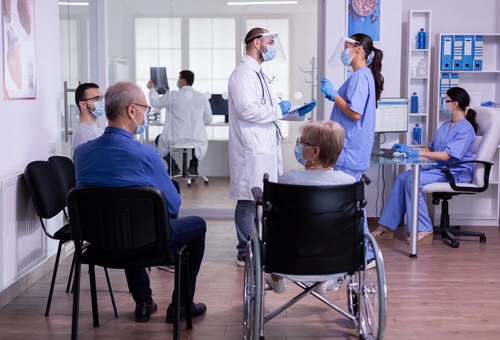













A General Practitioner is a Doctor Who Cares For Your Overall Health
A general practitioner is a doctor who cares for your overall health. They also work with the elderly and are often a patient’s first point of contact for medical concerns.
They take a holistic approach to your health, catching things that other specialists may miss. They also nurture long-term relationships with patients, providing continuity of care.
They diagnose and treat illnesses
GPs are trained to diagnose a wide range of illnesses and symptoms. During a typical visit, they will conduct a physical exam and review your medical history to assess your overall health. If your GP determines you need further care, they will refer you to a specialist or medical service. This is one of the most important roles a general practitioner plays in the healthcare system, as it helps keep patients out of the hospital.
The best general practitioners are able to connect you with the right specialists for your needs. They also have a good understanding of your medical history and can provide you with valuable advice about prevention and healthy living. Moreover, they can help you stay informed about your latest health news and updates. Additionally, GPs offer preventative care and screenings, including health checks, vaccinations, and nutritional counselling. By visiting your local Manhattan GP for routine checkups, you can improve your chances of preventing illness and disease.
General practitioners are able to treat chronic illnesses such as heart disease, diabetes, asthma, and high blood pressure. Unlike specialists, they take a holistic approach to treatment and can see how different systems in the body interact. As a result, they can catch issues that a specialist may miss.
After graduating from medical school, a general practitioner completes a residency program that can last up to four years. They are then licensed to practice medicine and can choose to specialise in a specific area of the field, such as women’s health or pediatrics. Some GPs also hold additional qualifications, such as a diploma from the Royal College of Physicians.
In addition to assessing your physical condition, a general practitioner can help you with mental health problems. This is especially important for people with a traumatic or recurring medical problem. For example, if you have PTSD or other mental health conditions, your GP can prescribe medications and assist you with therapy.
GPs also perform minor surgeries, such as suturing and wound treatment. They keep clinical records, which can be helpful for diagnosing and treating health issues. They also keep in contact with your other health professionals, and can recommend a specialist to you if needed.
They provide preventive care
General practitioners provide preventive care, which is important in maintaining a healthy lifestyle. This includes advising patients on healthy eating habits, exercising regularly, and getting adequate sleep. GPs also offer immunizations and screening tests. In addition to their preventive healthcare services, general practitioners can refer patients to specialists and help them manage ongoing health issues.
GPs provide comprehensive medical care to patients of all ages and genders. They often work with patients throughout their lives, and develop close relationships with them. This allows them to gain a comprehensive understanding of the patient’s health history and background. This enables them to provide patients with a more holistic approach to treatment.
A GP can also be instrumental in identifying and treating a wide range of health conditions, such as diabetes, high blood pressure, heart disease, and depression. They may also recommend lifestyle changes and prescribe medications. Moreover, they can provide patients with support during recovery from serious illnesses. GPs must have strong critical thinking and problem-solving skills in order to diagnose and treat complex medical conditions. In addition, they must be able to work collaboratively with other healthcare professionals.
Becoming a GP requires a significant amount of education and training. First, aspiring doctors must earn a bachelor’s degree in a field such as biology or pre-med. Then, they must attend medical school and receive a Doctor of Medicine (MD) or Doctor of Osteopathic Medicine (DO) degree. After graduating, they must complete a residency program to learn how to treat patients in a clinical setting.
During the residency, a GP must learn how to treat patients from all walks of life. This includes the elderly, young adults, and those with disabilities or mental health issues. In addition, a GP must be able to work in various environments, including rural and remote areas. Moreover, GPs must be able to perform basic medical procedures, such as suturing wounds and administering injections. Lastly, they must have excellent communication and interpersonal skills to develop a rapport with their patients.
They refer patients to specialists
When a patient has a medical problem that requires special treatment, GPs refer them to specialists. This is one of the most important roles of general practitioners. They can also order diagnostic tests and prescribe medications. Some GPs choose to become board certified, which means they have passed an exam in their field of expertise. They may also be required to complete a certain number of continuing education hours to keep their certifications current.
The training of a general practitioner can take anywhere from seven to 15 years. This includes a basic medical degree, which varies by country, as well as additional study in areas such as obstetrics, paediatrics, and adult medicine. The general practice curriculum is constantly updated to reflect medical advancements, research, and community needs.
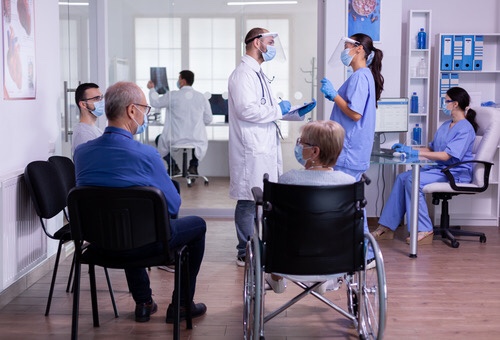
GPs can be found in a variety of settings, from doctors’ offices to hospitals and residential care facilities. They can also work remotely, either in person or over the phone or internet, as part of the growing field of telehealth services. This means that they can help patients no matter their location or age.
While some GPs prefer to refer all of their patients to specialist care, others have different opinions about the benefits and disadvantages of this practice. Some GPs believe that the benefits of referral outweigh the costs, while others feel that the financial and psychological cost to their patients is significant. Others worry that referral undermines their doctor-patient relationship, as the specialist becomes a third party in their dyadic interaction with the patient.
Once a GP has assessed a patient, they will typically give them a written referral to a specialist. This serves two purposes: the first is to facilitate the process of getting specialty care, and the second is to provide a legal handover of care. Depending on the circumstances, a referral can be covered by Medicare or private health insurance.
A GP will often refer their patients to specialists for specific conditions, such as heart disease or cancer. They will also refer patients to specialist services for more common problems, such as musculoskeletal pain or anxiety and depression. The GP may also recommend that the patient attend support groups or counselling sessions.
They write prescriptions
A general practitioner (GP) is often your first point of contact when you experience an illness or a minor injury. They have broad knowledge of a range of conditions and can diagnose problems and provide screenings for all ages. They can also refer you to medical specialists for more detailed diagnosis and care. A GP is also responsible for maintaining ongoing relationships with their patients, so they can provide continuity of care throughout the life cycle.
A GP’s duties include assessing your symptoms with a physical exam and a review of your medical history. They may also ask you about your lifestyle and habits, and they can recommend additional tests to diagnose your condition. During these meetings, you should be honest with your doctor and share any information that might help them treat you. Depending on your health needs, they might prescribe medication or advise you to exercise or change your diet.
GPs are a key part of healthcare systems and should be well trained. They must have a broad understanding of how people live their lives and the impact of this on their health, including social, economic and psychological factors. Their work is often done in an uncertain environment with scarce resources. They need to make hard choices about who gets what treatment, and this requires skills which are not always taught in conventional medical schools.
To become a GP, you must complete four years of undergraduate study, as well as a four-year medical degree and a two-year foundation programme. During this time, you’ll take exams in anatomy, biochemistry, medicine, medical law, and ethics. In addition, you must pass a practical exam which involves thirteen clinical cases and assesses your data gathering and interpersonal skills. Once you’ve passed these tests, you’ll be able to practise as a GP. In the UK, you can also specialise in specific areas of medicine through a further three years of study. This is a great way to gain valuable experience and develop your skills before you become a specialist in the field of general practice.