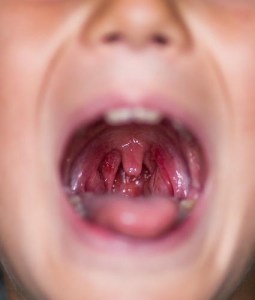

Acute Tonsillitis
The tonsils are two small lumps of soft tissue — one on each side of the throat — that help trap germs. Tonsillitis is most often caused by a virus, although it can be caused by bacteria.
Doctors can usually tell whether tonsillitis is viral or bacterial by looking at the red, swollen, and inflamed tonsils. They may also do a throat swab to check for strep throat.
Symptoms
The tonsils are two lumps of flesh in the back of the throat. They make antibodies to fight infection by trapping germs that enter the throat through the mouth and nose. When the tonsils get infected, they swell and become red. They may also have spots or white pus on them. The swollen tonsils make it hard to open the mouth or swallow. Tonsillitis is often caused by a viral infection, but it can be a sign of a bacterial infection, such as strep throat.
The doctor will ask about your symptoms and do a physical exam. He or she will look at your throat, ears and nose, and feel the sides of your neck to check for swollen lymph nodes. The doctor may also swab your throat or mouth to find out if you have strep throat. A throat swab is done by gently rubbing a sterile cotton swab against your tonsils and the sides of your throat. The swab is then sent to the lab to find out if you have strep.
Antibiotics are used to treat bacterial infections, such as strep throat and tonsillitis. The doctor may give you pills or liquid medicine to take at home. It’s important to finish the antibiotics even if you start to feel better, because if you stop the medication too soon, the bacteria could return and infect you again. Drink plenty of fluids, especially warm liquids, to help prevent dehydration. Over-the-counter pain relievers, such as ibuprofen or acetaminophen, can ease sore throat and fever. Children and teenagers should not take aspirin, because it can cause a rare but serious illness called Reye’s syndrome.
You should stay home from school or work until your sore throat and fever are gone for 24 hours, and you no longer have a swollen throat or difficulty swallowing. You’re contagious until then, and you can spread the bacteria that cause strep throat to others. To avoid infecting them, don’t share cups, spoons, silverware or toothbrushes. Wash your hands frequently, especially when coughing or sneezing. It’s also a good idea to cover your mouth when you cough or sneeze.
Diagnosis
The tonsils (one on each side of the throat) and adenoids (on the back of the throat near the tonsils) are part of the lymphatic system that helps clear away infection and keeps body fluids in balance. The tonsils and adenoids also protect against bacterial infections such as strep throat. Infections of the tonsils can cause symptoms such as a sore throat, white spots on the tonsils, red and swollen tonsils, difficulty swallowing, swollen neck lymph nodes, fever, bad breath, poor appetite, and headache. In rare cases, severe recurrent tonsillitis can lead to airway obstruction and lethal complications such as sepsis or death from progression of the infection to the brain and other organs.
A healthcare provider can often diagnose tonsillitis based on a physical exam. The provider will look at the tonsils and adenoids, check for swollen lymph nodes in the neck, and listen to the person’s breathing with a stethoscope. The provider will ask about the person’s symptoms and medical history.
Because it can be hard to tell if a sore throat is caused by a virus or bacteria, the provider may order diagnostic tests to help make the diagnosis. These can include a throat swab culture and a rapid antigen test to identify the type of bacteria that is causing the infection.
If the doctor determines that a person has a bacterial throat infection, he or she will prescribe a short course of antibiotics. This usually consists of an oral antibiotic such as amoxicillin or clavulanate, but in some instances, the doctor may need to give the antibiotics directly into a vein (IV antibiotics). In patients with penicillin allergies, doctors sometimes prescribe azithromycin or cephalosporins instead of penicillin.
Until the infection is completely gone, the person should avoid sharing food, drinks, utensils, towels, or toothbrushes with others. Washing the hands frequently with soap and water can help reduce the risk of an infection. A person should also practice good coughing and sneezing technique to keep the germs from coming up into the nose or mouth. If the symptoms of a sore throat persist, a healthcare provider may recommend a tonsillectomy for a child or adult.
Treatment
Tonsillitis is most often caused by a virus. But it can also be caused by a group of bacteria known as streptococcus. You can catch strep by touching something that has the germs on it, such as a doorknob or phone screen, and then touching your mouth or nose without washing your hands first. You can also get it by breathing in the tiny droplets released when someone with strep throat coughs or sneezes. The infection can also be spread by sharing drinks, food, napkins, or towels with a sick person or kissing them.
If your tonsillitis is caused by strep, your healthcare provider will treat you with antibiotic medicine. They may also ask for a throat swab to see if you have strep bacteria. The test usually takes just a few minutes to do. But it can take a few days to get the results.
Your doctor will do a physical exam of your neck to look at your swollen tonsils and check for other symptoms, like a fever, swollen lymph nodes in your neck or jaw, a rash, or a headache. They’ll also check the inside of your ears and nose and feel the sides of your neck.
Most of the time, your doctor will recommend resting and taking it easy until your tonsillitis goes away. They might also give you throat lozenges or a liquid to drink to soothe your sore throat.
The main complication of tonsillitis is a peritonsillar abscess, which forms when pus collects in the area surrounding your tonsils. It can be serious, and you might need to have it drained, usually with the help of a needle. You might need to be hospitalized for the procedure, which involves aspiration and sometimes incision and drainage.
If your tonsillitis is recurrent or severe, your healthcare provider might suggest having your tonsils removed. The surgery is called a tonsillectomy. The surgery can help prevent recurrent episodes of tonsillitis and the complications that come with them. But doctors haven’t yet proven that tonsil surgery reduces the number of sore throats you get in a year. So the surgery is only recommended for people who have recurrent or severe tonsillitis.
Prevention
The tonsils are large, fleshy glands in the back of the throat (one on each side). They make antibodies that help fight infection. They also act as the first barrier to airborne or swallowed germs. When the tonsils are infected or inflamed, it’s called tonsillitis. Tonsillitis is most common in children, but people of all ages can get it. It’s more likely to affect kids because they spend much of their time in close contact with others and may be exposed to more germs.
Most often, a viral or bacterial infection causes tonsillitis. Strep throat, caused by the bacteria group A streptococcus (usually spelled “strep”), is one of the most common reasons for tonsillitis in kids and teens. But other bacteria can also cause tonsillitis, especially in adults.
In most cases, a sore throat and swollen tonsils are enough to diagnose tonsillitis. Your doctor will ask you about your symptoms and examine your throat and neck. Then they’ll probably want a throat swab to test for strep. They may also order a blood test, called a complete blood cell count (CBC), to see if the tonsillitis is caused by a bacterial infection or a virus.
Mild cases of tonsillitis usually go away on their own within a few weeks. But more severe or recurrent cases of tonsillitis are treated with painkillers, anti-inflammatory drugs, and sometimes antibiotics to treat any underlying infections. People who have chronic recurrent tonsillitis or enlarged tonsils, which are more likely to become infected, may be at risk of complications like difficulty swallowing and breathing. An otolaryngologist (say: oh-toe-lar-un-GAY-jist) or other specialists can recommend surgery to remove the tonsils if needed.
Practicing good oral hygiene and frequently washing hands can help prevent tonsillitis. If you’re prone to getting tonsillitis, avoid people who have a cold or the flu. If you’re concerned about your tonsils, talk to a doctor at Penn Medicine Becker ENT & Allergy. They’ll be able to help you understand your risks and symptoms, and determine the best treatment plan for you. Call today to schedule an appointment.