The flu and a common cold are caused by viruses that affect your upper respiratory system. They spread through the air by contaminated droplets produced when infected people cough or sneeze, or by touching contaminated surfaces, according to Houston Methodist.
Over-the-counter medications can help relieve your symptoms. Antihistamines can reduce sneezing and runny nose, while pain relievers like acetaminophen (Tylenol) or ibuprofen (Advil, Motrin) help with fever and body aches.
Tablet for flu and cold
Cold and flu are both viral infections that affect your respiratory system (nose, throat, airway and lungs). They have similar symptoms, making it hard to tell the difference. The flu is generally worse than the common cold and can cause more serious complications, including bronchitis or pneumonia.
Symptoms of the common cold usually include a runny or stuffy nose, cough, sore throat and sneezing. Unlike the flu, cold symptoms develop gradually.
Taking over-the-counter medication can help relieve your cold and flu symptoms. But be sure to read the label before you take any medicine. Some medicines, such as acetaminophen, can cause liver damage in high doses. Also, some cough syrups contain dextromethorphan or guaifenesin and may cause liver problems in certain people with preexisting conditions.
Cold and flu
Colds are caused by more than 200 different viruses, including rhinoviruses and coronaviruses (not the same as the one that causes COVID-19). They tend to come on gradually over a few days and get better slowly in about a week. The flu, on the other hand, is usually caused by influenza viruses and can be much more severe. It can lead to bacterial infections, which often require hospitalization and can even be life-threatening.
During the flu season, it’s important to avoid contact with people who are sick. They may sneeze or cough, and droplets can contaminate surfaces. You can catch the flu by inhaling these droplets or touching them. Symptoms of the flu include fever, chills, body and muscle aches, and fatigue. They can also be accompanied by vomiting and diarrhea.
Flucold ds
FLUCOLD DS Suspension is a combination of four medicines Chlorpheniramine Maleate, Phenylephrine, Paracetamol and Sodium Citrate which relieve common cold symptoms. Chlorpheniramine is an antihistamine which relieves allergy symptoms such as runny nose, watery eyes and sneezing. Phenylephrine is a nasal decongestant that narrows the small blood vessels in the nose and relieves congestion or stuffiness. Paracetamol is an analgesic (pain reliever) and an antipyretic that reduces fever. Sodium Citrate is a mucolytic that thins and loosens the thick mucus in the throat making it easier to cough out.
Flucold DS should not be used during pregnancy as it may have harmful effects on the unborn baby. It is also unsafe to use during lactation. Studies suggest that the medicine passes through breast milk in small amounts and may cause unpleasant side effects in infants such as unusual irritability or excitement.
Flu cold ds syrup
Flu cold ds syrup is a medicine used to treat common cold symptoms like sneezing, watery eyes, itchy throat and nose. It also relieves pain and fever. It is a combination of medicines including Chlorpheniramine (anti-histamine), Phenylephrine (decongestant) and Paracetamol (mild analgesic and antipyretic). The medicine also contains Sodium Citrate, which is a mucolytic and helps to loosen the thick mucus in the airways thereby making it easier to cough out.
The medication is safe to use for people above 2 years of age. However, the medication should be avoided in patients with kidney disease, liver diseases and drug allergy. The medication can also interact with some medications, so you should consult your doctor for advice before taking it. The dosage and frequency of the medicine should be as instructed by the doctor.
Flu and cold symptoms
Both cold and flu symptoms can be relieved by getting plenty of rest, drinking fluids and taking over-the-counter medications like acetaminophen (Tylenol) and ibuprofen (Advil). Avoiding crowds during peak flu season will reduce your chance of getting the virus. You can also prevent transmission by covering your cough or sneeze, washing your hands often and cleaning frequently used surfaces, especially doorknobs. You can also boost your immune system by eating more vitamin C, which has been shown to shorten the duration of colds and help people recover faster.
If your symptoms last more than a week, call your doctor. Long-lasting symptoms may be a sign of a more serious illness. For example, persistent fever or chest pain can be a sign of pneumonia. Other symptoms that indicate a more severe infection include difficulty breathing and severe body aches.
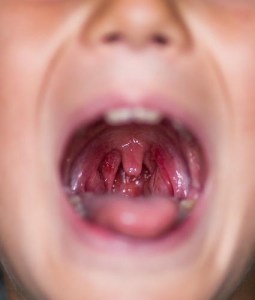
The tonsils are two small lumps of soft tissue — one on each side of the throat — that help trap germs. Tonsillitis is most often caused by a virus, although it can be caused by bacteria.
Doctors can usually tell whether tonsillitis is viral or bacterial by looking at the red, swollen, and inflamed tonsils. They may also do a throat swab to check for strep throat.
Symptoms
The tonsils are two lumps of flesh in the back of the throat. They make antibodies to fight infection by trapping germs that enter the throat through the mouth and nose. When the tonsils get infected, they swell and become red. They may also have spots or white pus on them. The swollen tonsils make it hard to open the mouth or swallow. Tonsillitis is often caused by a viral infection, but it can be a sign of a bacterial infection, such as strep throat.
The doctor will ask about your symptoms and do a physical exam. He or she will look at your throat, ears and nose, and feel the sides of your neck to check for swollen lymph nodes. The doctor may also swab your throat or mouth to find out if you have strep throat. A throat swab is done by gently rubbing a sterile cotton swab against your tonsils and the sides of your throat. The swab is then sent to the lab to find out if you have strep.
Antibiotics are used to treat bacterial infections, such as strep throat and tonsillitis. The doctor may give you pills or liquid medicine to take at home. It’s important to finish the antibiotics even if you start to feel better, because if you stop the medication too soon, the bacteria could return and infect you again. Drink plenty of fluids, especially warm liquids, to help prevent dehydration. Over-the-counter pain relievers, such as ibuprofen or acetaminophen, can ease sore throat and fever. Children and teenagers should not take aspirin, because it can cause a rare but serious illness called Reye’s syndrome.
You should stay home from school or work until your sore throat and fever are gone for 24 hours, and you no longer have a swollen throat or difficulty swallowing. You’re contagious until then, and you can spread the bacteria that cause strep throat to others. To avoid infecting them, don’t share cups, spoons, silverware or toothbrushes. Wash your hands frequently, especially when coughing or sneezing. It’s also a good idea to cover your mouth when you cough or sneeze.
Diagnosis
The tonsils (one on each side of the throat) and adenoids (on the back of the throat near the tonsils) are part of the lymphatic system that helps clear away infection and keeps body fluids in balance. The tonsils and adenoids also protect against bacterial infections such as strep throat. Infections of the tonsils can cause symptoms such as a sore throat, white spots on the tonsils, red and swollen tonsils, difficulty swallowing, swollen neck lymph nodes, fever, bad breath, poor appetite, and headache. In rare cases, severe recurrent tonsillitis can lead to airway obstruction and lethal complications such as sepsis or death from progression of the infection to the brain and other organs.
A healthcare provider can often diagnose tonsillitis based on a physical exam. The provider will look at the tonsils and adenoids, check for swollen lymph nodes in the neck, and listen to the person’s breathing with a stethoscope. The provider will ask about the person’s symptoms and medical history.
Because it can be hard to tell if a sore throat is caused by a virus or bacteria, the provider may order diagnostic tests to help make the diagnosis. These can include a throat swab culture and a rapid antigen test to identify the type of bacteria that is causing the infection.
If the doctor determines that a person has a bacterial throat infection, he or she will prescribe a short course of antibiotics. This usually consists of an oral antibiotic such as amoxicillin or clavulanate, but in some instances, the doctor may need to give the antibiotics directly into a vein (IV antibiotics). In patients with penicillin allergies, doctors sometimes prescribe azithromycin or cephalosporins instead of penicillin.
Until the infection is completely gone, the person should avoid sharing food, drinks, utensils, towels, or toothbrushes with others. Washing the hands frequently with soap and water can help reduce the risk of an infection. A person should also practice good coughing and sneezing technique to keep the germs from coming up into the nose or mouth. If the symptoms of a sore throat persist, a healthcare provider may recommend a tonsillectomy for a child or adult.
Treatment
Tonsillitis is most often caused by a virus. But it can also be caused by a group of bacteria known as streptococcus. You can catch strep by touching something that has the germs on it, such as a doorknob or phone screen, and then touching your mouth or nose without washing your hands first. You can also get it by breathing in the tiny droplets released when someone with strep throat coughs or sneezes. The infection can also be spread by sharing drinks, food, napkins, or towels with a sick person or kissing them.
If your tonsillitis is caused by strep, your healthcare provider will treat you with antibiotic medicine. They may also ask for a throat swab to see if you have strep bacteria. The test usually takes just a few minutes to do. But it can take a few days to get the results.
Your doctor will do a physical exam of your neck to look at your swollen tonsils and check for other symptoms, like a fever, swollen lymph nodes in your neck or jaw, a rash, or a headache. They’ll also check the inside of your ears and nose and feel the sides of your neck.
Most of the time, your doctor will recommend resting and taking it easy until your tonsillitis goes away. They might also give you throat lozenges or a liquid to drink to soothe your sore throat.
The main complication of tonsillitis is a peritonsillar abscess, which forms when pus collects in the area surrounding your tonsils. It can be serious, and you might need to have it drained, usually with the help of a needle. You might need to be hospitalized for the procedure, which involves aspiration and sometimes incision and drainage.
If your tonsillitis is recurrent or severe, your healthcare provider might suggest having your tonsils removed. The surgery is called a tonsillectomy. The surgery can help prevent recurrent episodes of tonsillitis and the complications that come with them. But doctors haven’t yet proven that tonsil surgery reduces the number of sore throats you get in a year. So the surgery is only recommended for people who have recurrent or severe tonsillitis.
Prevention
The tonsils are large, fleshy glands in the back of the throat (one on each side). They make antibodies that help fight infection. They also act as the first barrier to airborne or swallowed germs. When the tonsils are infected or inflamed, it’s called tonsillitis. Tonsillitis is most common in children, but people of all ages can get it. It’s more likely to affect kids because they spend much of their time in close contact with others and may be exposed to more germs.
Most often, a viral or bacterial infection causes tonsillitis. Strep throat, caused by the bacteria group A streptococcus (usually spelled “strep”), is one of the most common reasons for tonsillitis in kids and teens. But other bacteria can also cause tonsillitis, especially in adults.
In most cases, a sore throat and swollen tonsils are enough to diagnose tonsillitis. Your doctor will ask you about your symptoms and examine your throat and neck. Then they’ll probably want a throat swab to test for strep. They may also order a blood test, called a complete blood cell count (CBC), to see if the tonsillitis is caused by a bacterial infection or a virus.
Mild cases of tonsillitis usually go away on their own within a few weeks. But more severe or recurrent cases of tonsillitis are treated with painkillers, anti-inflammatory drugs, and sometimes antibiotics to treat any underlying infections. People who have chronic recurrent tonsillitis or enlarged tonsils, which are more likely to become infected, may be at risk of complications like difficulty swallowing and breathing. An otolaryngologist (say: oh-toe-lar-un-GAY-jist) or other specialists can recommend surgery to remove the tonsils if needed.
Practicing good oral hygiene and frequently washing hands can help prevent tonsillitis. If you’re prone to getting tonsillitis, avoid people who have a cold or the flu. If you’re concerned about your tonsils, talk to a doctor at Penn Medicine Becker ENT & Allergy. They’ll be able to help you understand your risks and symptoms, and determine the best treatment plan for you. Call today to schedule an appointment.
Hair Growth Factor Concentrate Treatment For Hair Loss
Hair growth factor treatment is a new technique that uses your own blood platelets to treat thinning hair and baldness. It is a safe and effective way to promote hair growth.
In the GFC therapy process, your blood platelets are enriched with various growth factors. Scientists at Wockhardt prepare this concentrated preparation with a specially designed kit.
What is Growth Factor Concentrate (GFC) Therapy?
GFC is an advanced hair treatment that uses a concentrated growth factor to promote natural tissue regeneration. The procedure works by drawing blood and then concentrating the platelets, which contain several growth factors that can stimulate hair follicles to regrow hair and strengthen existing strands. The GFC process is similar to PRP, but it goes a step further by adding additional ingredients to the concentrate that is then injected into the scalp.
The first step in the GFC process is to draw a small amount of blood from the patient’s body using a sterile syringe. This blood is then processed using centrifugation to separate the platelets and plasma. The final product is then injected into the scalp, where it can provide an immediate boost to hair regrowth.
Unlike PRP, the GFC process also involves an activation step to release a wider range of growth factors. The process is designed to increase the effectiveness of the treatment and ensure that all growth factors are present for maximum results.
The GFC injection is then inserted into the scalp where it can help reduce hair fall and improve the thickness and density of the scalp. The procedure is typically painless and requires only a few sessions to yield significant results. Some patients may experience mild swelling, redness, or bruising at the injection sites, but these symptoms should be minimal and should resolve within a few days. Patients should follow the aftercare instructions that their doctor provides, which may include avoiding certain hair and skin products or not washing the injection site for a period of time. This helps to minimize the risk of infection and inflammation after the procedure.
How Does GFC Work?
GFC Therapy is a non-invasive treatment that can stimulate dormant hair follicles and promote new growth. However, results can vary from patient to patient. For best results, GFC therapy should be accompanied by a regular routine, proper diet and supplements, and an active lifestyle. The treatment can be performed at a reputable hair restoration clinic with the help of a qualified doctor who specializes in this procedure.
The treatment is based on the principle of blood platelet-rich plasma (PRP). In GFC therapy, your own blood platelets are separated from other blood components and concentrated in a sterile tube. The platelets release natural growth factors, which are then injected into the scalp at areas of hair loss or thinning to encourage hair growth. The process is painless and minimally invasive, and many patients report no discomfort during the session.
Once the PRP is prepared, your physician will inject it into the affected area of the scalp, either directly or into a mini-graft. Depending on your unique condition, the number of sessions needed will vary, but in general, you can expect to see an improvement in the density and volume of your hair within three to four sittings.
Both GFC and PRP contain many growth factors that are beneficial for your hair, including PDGF, VEGF, IGF-1, and others. The difference is that GFC has a wider range of growth factors and may offer more comprehensive tissue regeneration benefits, while PRP is concentrated exclusively on blood platelets.
After your treatment, it is important to avoid exposure to sunlight or heat and follow the advice of your doctor regarding the use of hair products and topical medications. Also, it is advisable to refrain from smoking or consuming alcohol for at least three days after the treatment.
What Are the Benefits of GFC Therapy?
GFC therapy is a natural way of stimulating the hair follicles and increasing blood flow to the scalp. As a result, it can stimulate hair growth and reverse hair loss. However, results will vary from person to person. This is due to different factors such as genetics, hormones, and overall health.
GFC treatment is also minimally invasive and less expensive than other hair restoration treatments. It requires only 3 to 4 sessions to produce results and is a safe, non-surgical procedure that does not contain any added blood cells. Additionally, it does not require any downtime and can be performed at your convenience.
During the GFC process, your doctor will draw a small amount of blood from your arm and then use a centrifuge to separate the platelet-rich plasma from other blood components. Then, the doctor will inject the concentrated growth factors directly into your scalp.
After the injections are administered, your doctor will cover your head with a dressing to protect it from infection. You may experience some swelling or discomfort during this time, but these side effects should resolve within a few days. You should avoid taking any medications that can affect your bleeding or blood clotting for 72 hours before your treatment. You should also drink plenty of water to stay hydrated.
After the initial treatment series, your doctor will recommend regular maintenance sessions to preserve your results. Typically, these will be scheduled several months apart but can be performed throughout the year. Many patients report sustained improvements in their hair density and scalp condition, although individual results may vary. GFC treatments have also shown promise in reversing hairline recession and thinning eyebrows in women with androgenetic alopecia.
Are GFC Treatments Safe?
GFC treatment is an effective and safe method of stimulating hair growth and improving scalp health. It is a minimally invasive procedure that utilizes growth factors from your own body to target the problem areas and encourage new hair follicles to grow. This makes it a great alternative to other invasive procedures, such as hair transplant surgery.
The GFC treatment process begins with a thorough medical exam of the scalp and face to determine the extent of your hair loss. This information is used to customize your treatment and ensure that the results are as expected. After the examination, a topical anaesthetic is applied to the skin, and a small blood sample is then drawn from your arm. This blood is then transferred into specialised GFC tubes.
These tubes are then processed to produce a concentrated solution that contains the most beneficial growth factors for hair. The resulting growth factor concentrate is free of cells, cell membranes, and exogenous reagents or chemicals, which means that it can be safely administered with no chance of infection or side effects.
Once the GFC treatment is complete, it is injected into the scalp in the affected areas to stimulate new hair growth and improve the condition of existing hair follicles. The result is thicker, fuller, and healthier hair that can last for years to come.
As with any type of cosmetic treatment, results vary from person to person, but most patients see a noticeable improvement in their hair density and quality after a series of GFC treatments. Maintenance sessions may be required to maintain these results over time. GFC therapy is also highly compatible with other hair loss treatments, such as minoxidil and finasteride.
Are GFC Treatments Effective?
GFC treatments have shown promise in promoting hair regrowth and halting hair loss, especially for those who suffer from early-stage alopecia. Studies have shown that GFC therapy stimulates hair growth and increases the number of active hair follicles in the scalp, which results in the formation of new hair.
The treatment is non-surgical and does not involve any chemical or synthetic products. Moreover, because it uses the patient’s own blood platelets to generate growth factors, GFC therapy is safe and has no risk of infection or other side effects.
During the procedure, a small sample of blood is collected from the patient’s body and then spun in a centrifuge to isolate the platelet-rich plasma that contains the growth factors. This plasma is then injected into the scalp through a tiny needle. The injections are strategically placed in the areas of thinning or balding, thereby triggering the activation of the hair follicles and resulting in improved hair growth.
Platelet-rich plasma from the blood is a source of various growth factors that have been found to promote hair growth and thicken existing strands. GFC therapy also has a high success rate in treating androgenic alopecia, a condition that causes progressive hair thinning and balding in men and women.
Unlike PRP hair restoration, which requires the patient to undergo multiple sessions to see a desirable outcome, GFC is a quicker and more effective hair loss treatment that delivers noticeable results within three to four months. The results of the treatment can last for a lifetime if patients follow the recommended post-treatment care regimen and continue to receive regular GFC sessions. However, it is important to note that the duration of the treatment depends on the overall health and genetic predisposition of the individual.
To prevent stroke, you should be active, watch your weight, eat healthy foods and avoid smoking. Your doctor can also prescribe medications to reduce your risk of blood clots.
Stroke in brain
Stroke happens when blood flow to the brain is interrupted or reduced, preventing the brain cells from getting oxygen. Without oxygen, brain cells die within minutes.
The most common type of stroke is an ischemic stroke, caused by a blood clot blocking an artery. Other causes include high blood pressure, which weakens arteries and can cause them to burst, and fatty deposits (plaque) in the arteries, which can also lead to clotting. Another common type of stroke is a hemorrhagic stroke, which occurs when a blood vessel in the brain ruptures and leaks into the brain.
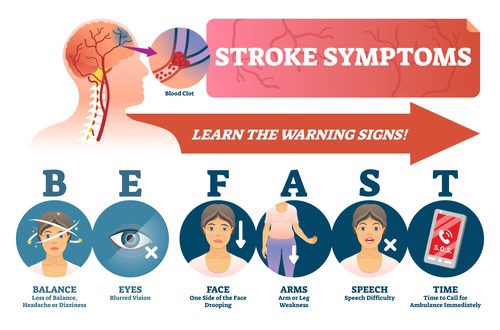
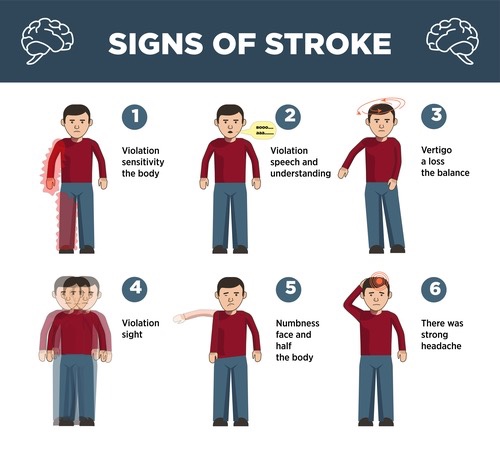
Recognizing stroke symptoms and getting prompt treatment are key to reducing disability. Symptoms include sudden-onset face weakness, arm drift (where one arm involuntarily drops when you raise it), and slurred speech. The quicker you get to the hospital, the more likely you are to receive a life-saving treatment like clot-busting drugs.
Stroke symptoms
A stroke is a medical emergency and needs to be treated right away. People who receive treatment within 3 hours of the first symptoms have a much better chance of recovery and reducing the chances of permanent brain damage and death.
Symptoms of a stroke depend on which part of the brain is affected. For example, if a stroke affects Broca’s area (part of the brain that controls how we use muscles in our face and mouth to speak), you may have difficulty speaking or slurred speech. You may also lose control of your arms and legs or have trouble walking, balance and coordination. You can test for these symptoms by trying to raise both arms over your head and seeing if one drifts downward.
Some people experience a transient ischemic attack (TIA, or “mini-stroke”). TIAs are warning signs that a full stroke could be just days away. They are often caused by a blood clot that blocks or narrows an artery to part of the brain, or by a ruptured brain aneurysm.
Stroke treatment
A stroke is a medical emergency, and getting treatment quickly can help reduce damage and improve your chances of recovery. If you can, look at a clock and tell healthcare providers what time your symptoms started. This will help them decide what kind of treatment is needed.
The type of treatment depends on what kind of stroke you have. If it’s an ischemic stroke — caused by a blood clot — the top priority is to restore blood flow to the brain as soon as possible. This is usually done with medication called thrombolytic drugs, or a procedure like angioplasty or stenting.
Hemorrhagic strokes are caused by a break in the blood vessel that leaks blood into or around the brain (cerebral hemorrhage). They’re often more serious than ischemic strokes, and can be caused by things like aneurysms, high blood pressure, diabetes, and some heart rhythm problems, such as atrial fibrillation.
Stroke causes
If you’ve had a stroke, it can affect your ability to walk, talk, see, socialise or think properly. It may also affect your memory, muscle strength and balance. Rehabilitation is an important part of stroke treatment. It helps you relearn skills you lost because of the stroke. You can learn to do things like eating, bathing and going to the bathroom again. You can also do therapies to improve your speech, memory and movement.
If you have signs of a stroke, get emergency medical care right away. The sooner you get treatment, the better your chances of a good outcome. If your stroke is caused by a blood clot, you might be given clot-busting medicine within three to four and a half hours of when your symptoms first started. If your stroke is due to bleeding, you might be given medicine to control blood pressure and surgery to relieve pressure on the brain from accumulated blood.
Dr Romil Mehta, General Physician Malad East upper Govind Nagar and Podar park
Dr. Romil Mehta is a board-certified Family Medicine physician. He works with patients of all ages, focusing on preventive care and treating the whole person. He also conducts medical camps in order to contribute to the advancement of healthcare services.
Dr Romil Mehta general practitioner clinic near Kanakia levels
Dr Romil Mehta is a board-certified Family Medicine physician. He is committed to his patients and their well-being, providing comprehensive primary care to people of all ages. His goal is to help them maintain and improve their physical and mental health. He also believes in taking a preventive approach to health care and regularly attends medical conferences and workshops to stay up-to-date on the latest advancements in medicine
He is a member of the Indian medical association and Malad medical association He is sincere, energetic and devoted to his profession.
dr romil is a highly rated doctor in the treatment of Vertigo. He is also known to treat other conditions, such as Pleural Effusion and Pleurisy.
Dr Romil Mehta general practitioner clinic near dhanjiwadi
Dr. Romil Mehta is a highly-rated physician in the area of Cough,cold, fever. He has been treating patients for over 15 years and is currently accepting new patients. His clinic location is at shop 8 , dhruv heights, upper Govind Nagar, Malad East
He is also on an online platform that helps friends and family stay informed about a loved one’s health journey. He has a very good bedside manner and makes patients feel at ease.
Doctors and other medical professionals often collaborate with pharmaceutical, device and biotechnology companies on research , clinical care, teaching and education. These relationships are reviewed and vetted to ensure patient safety and ethical practice.
Dr Romil Mehta clinic general practitioner clinic near Dindoshi metro station
Dr. Romil Mehta is committed to advancing healthcare services and regularly attends medical conferences and workshops. He also publishes blogs to contribute to medical knowledge. He has also been recognized by his peers for his outstanding work and service. He has been practicing medicine for over 15 years and is highly rated in the treatment of Backache and malaria
This doctor gives free service at mother Teresa ashram a nonprofit social network that helps families stay connected during a health journey.
Dr Romil Mehta general practitioner clinic near pathanwadi
Dr. Romil Mehta is a board-certified Family Medicine physician who provides comprehensive primary care for patients of all ages. He believes that each patient is unique and treats them as such. His goal is to help her patients maintain and improve their health through preventive care and wellness visits.
He is dedicated to advancing healthcare services and regularly attends seminars and workshops to stay current on the latest advancements in his field. He also provides online consultation.and gives home visits.
How Dr Romil Mehta Saved 60 Year Old Lady From Stroke
When a person suffers a stroke, it’s important for them to seek treatment quickly. The faster blood flow is restored, the less damage will be done to the brain.
Dr Romil Mehta diagnosed Geeta’s mother-in-law recognized the symptoms and rushed her to the hospital. The doctors were able to give her alteplase (Activase, TPA), a drug that can dissolve the clot and restore blood flow.
Patient was rushed to the hospital.
After she developed right hand and leg weakness she went to her Family doctor who found that she had a big blood vessel block in her brain. He referred her to the Hospital for the management of acute stroke under the Hospital’s incharge of Stroke Services.
The crew in the ambulance used a CereTom portable scanner to confirm that she was suffering from an ischemic stroke (the type caused by a blocked or ruptured blood vessel). They performed quick point-of-care lab testing and began treating her with intravenous tPA, which is FDA approved to treat such patients within three hours of symptom onset.
They also transported her to the nearest comprehensive stroke center which has one of the city’s best medical teams and has the equipment necessary for mechanical clot removal, the only treatment that can salvage a stroke patient’s long-term chances of a full recovery. Dr Romil Mehta says it’s critical that first responders recognize the signs of a stroke and get patients to a hospital as quickly as possible.
X-rays were done.
X-rays use electromagnetic radiation to produce images of bones and other objects inside the body. These rays pass through many materials, including bones, but are absorbed by some materials, such as metal. This creates an image on a screen or film that shows the structures inside the body.
Wilhelm Röntgen is credited with discovering X-rays in 1896. Within weeks of this discovery, surgeons in Europe began using X-rays to see bullets and other objects lodged in bodies. They also used X-rays to detect and treat strokes.
One of the most common reasons people suffer from stroke is because they do not recognize the symptoms. This is why it’s so important to understand and recognize the symptoms of a stroke so you can get to the hospital in time. If you do, you can take advantage of the ‘golden hour’ window to receive treatment and help prevent brain damage.
The radiologist read her CT and saw that she had multiple large vessel occlusions (LVO) which can cause ischemic stroke. She was given a dose of the clot busting drug Alteplase (Activase, TPA) at the hospital and was treated promptly. She now has a very positive outlook on her condition and is encouraging others to be aware of the signs of stroke so they can seek appropriate care. She is especially encouraging them to take steps to be active and exercise, as this can help reduce your risk of a stroke.
CT Scan was done.
In a CT scan, an X-ray of your body is taken and then a computer processes the images to create a detailed, three-dimensional view of your body. This will allow your doctor to identify areas of concern. A CT scan may be used to check for conditions such as a stroke, brain tumor, heart problems, or other medical issues.
A CT scan can also be used to diagnose a blood clot in the brain. The drug alteplase (Activase, TPA) can dissolve clots and help restore blood flow to the brain, but it needs to be given within three hours of the first symptoms of a stroke. During that window, known as the “golden hour”, treatment can greatly reduce brain damage and prevent complications.
Before your CT scan, you may be asked to wear a gown and remove any clothing with metal zippers or buttons that could obstruct the test. You may be given an injection of a contrast medium to enhance the appearance of blood vessels and tissues. This may cause a slight reaction, such as itching or a metallic taste in your mouth. In some cases, the dye can trigger a life-threatening allergy.
Geeta’s mother in law says her recovery has been quick because she went to the hospital right away and received prompt care. She encourages people to learn the warning signs of stroke and to not ignore them.
Thrombectomy was done.
A blood clot (thrombus) in an artery or vein can interrupt the flow of blood to your legs, arms, lungs, kidneys or brain. A thrombectomy procedure can restore blood flow and prevent life-threatening complications such as limb or organ damage.
A thrombectomy is usually done within hours of your first symptoms of stroke. Hospitals have a variety of mechanical thrombectomy techniques. They may use a device that suctions the clot from the blood vessels, or a small catheter inserted into the groin and guided with X-ray images to the affected artery. A stent can be placed inside the blood vessel to keep it open and allow for normal blood flow after the clot is removed.
The procedure may not be suitable for everyone. Your personal health, where the blood clot is located and how long you’ve had it can affect whether it can be safely removed with a thrombectomy. You might also be at risk of another clot or bleeding in the brain after surgery.
Once the thrombectomy is complete your relative will be taken to the stroke ward for care by team of doctors and nurses. They will stay in hospital for a few hours to let the blood vessel site start healing and so they can be closely monitored. They will need to take anticoagulant drugs – sometimes known as blood thinners – for some time after the surgery.
General Practitioner in Malad East For Cough Treatment
MUMBAI:
Cough syrup
A medicine cabinet isn’t complete without some good old cherry-flavored cough syrup. But does it actually work?
Cough syrups typically contain two ingredients that treat different symptoms. The first, antitussives (like pholcodeine or dextromethorphan), tricks the brain into shutting off the cough reflex. The second, expectorants, thins phlegm so it’s easier to cough up.
Some cough medicines also contain antihistamines, which help reduce allergy-type symptoms, like a runny nose and watery eyes. But they don’t stop you from coughing, and at high doses they can cause hallucinations or euphoria. Fortunately, there are ways to treat your cough naturally, and some don’t even require you to swallow pills. Here are some of them:
Cough remedies at home
Coughing is a natural reflex that helps the body remove foreign particles from the throat and airways. However, excessive coughing can be annoying. Fortunately, there are a few simple home remedies that can soothe a persistent cough. Try sipping hot tea or a warm glass of water with lemon and honey. Alternatively, you can also gargle lukewarm saltwater to fight the cough.
Eucalyptus essential oil is an effective cough remedy that relieves chest congestion and reduces inflammation in the lungs. It contains two important compounds – eucalyptol and cineole, which help to loosen mucus and drain the chest. You can use eucalyptus essential oil in vaporizer or inhalation.
You can also drink clear juices, broths, and hot soup to reduce the symptoms of cough. You should also eat probiotics to boost your immune system.
Cough dry syrup
A cough syrup is an effective remedy for a dry cough. It contains herbal ingredients such as tulsi, banapsha, and haldi that help to soothe the throat and provide relief from chest congestion. It is also known to relieve other symptoms of a dry cough, including a sore throat and hoarseness. Its herbal ingredients also mean it doesn’t cause drowsiness, so you can function normally while taking it.
It is important to read the label of any cough syrup you take and follow the recommended dosage guidelines based on age and weight. In addition, it is important to use a measuring device to ensure accurate dosing. Taking too much medication can lead to side effects and overdose. Moreover, it can interact with other medications and increase the risk of allergic reactions like hives or itching.
Cough tablets
A combination cough suppressant and antihistamine, cough tablets reduce the frequency and severity of your symptoms. These tablets can help with a dry or wet cough and itchy throat, and can also relieve chest tightness. They can be taken orally by holding the tablet in your mouth until it dissolves. They should be taken regularly without food. If you have severe symptoms, you may need to take more than one tablet per day. This medicine can cause drowsiness. Do not drive or operate machinery after taking this medication. It is a schedule II controlled substance. Keep out of reach of children.
General practitioner clinic at Malad East
If you’re looking for a general practitioner in Malad east, look no further than the Clinic of Dr Romil Mehta This highly regarded physician is a leading expert in general medicine and has several years of experience. His office is located in dhruv heights shop 8 upper Govind Nagar Malad East.His fees are very reasonable and affordable.










 Dr Romil Mehta General Practitioner